General
Best DAO Payroll Platforms for Solana Teams in 2026
According to the Solana Foundation's February 2026 ecosystem report, Visa, PayPal, Stripe, Western Union, and Fiserv now run production payment workflows on Solana, turning the network into a serious settlement rail for real money movement.
For DAOs, that shift makes the chain a natural home for contributor payroll, and Streamflow sits at the center of it as the Solana-native token operations infrastructure platform managing over $1.4 billion in total value locked across 40,000+ projects.
Paying a distributed team in tokens or stablecoins is no longer an experiment; it is an operational requirement.
DAO payroll is harder than sending a single transfer. Contributors expect predictable, recurring payouts, treasuries need approval controls, and every disbursement should be verifiable on-chain. The platforms below each solve a different slice of that problem, and they vary widely in how much they were actually built for Solana.
This guide ranks the best DAO payroll platforms for Solana teams in 2026, with detailed features and full pros and cons for every option.
Key Takeaways
Streamflow ranks first among DAO payroll platforms for Solana teams in 2026.
Streamflow combines streaming payouts, batch payroll, vesting, and treasury tools in one stack.
Most DAO payroll platforms are EVM-first, while Streamflow is built natively for Solana.
Audited smart contracts make every Streamflow payout verifiable on Solscan and Solana Explorer.
The best DAO payroll platform pairs recurring payments with on-chain treasury controls and transparency.
How We Ranked the Best DAO Payroll Platforms
Not every payments tool is built for the way DAOs actually operate. A DAO needs to pay contributors on a schedule, control disbursements through approvals, and prove every payment on-chain to its community. We used five criteria to separate the contenders.
Solana-native execution: whether the platform runs directly on Solana or bridges funds in from another chain.
Payment flexibility: support for streaming, recurring, batch, and milestone-based payouts.
Treasury controls: multisig approvals, spending limits, and role-based permissions over the treasury.
On-chain transparency: public verification of payouts via Solscan, Solana Explorer, or proof links.
Lifecycle breadth: whether payroll sits alongside vesting, locks, claims, and distribution in one stack.
The platforms that score highest do more than move money. They give a DAO a single, verifiable system for paying people and managing the token economy around them.
1. Streamflow: Best Overall DAO Payroll Platform for Solana
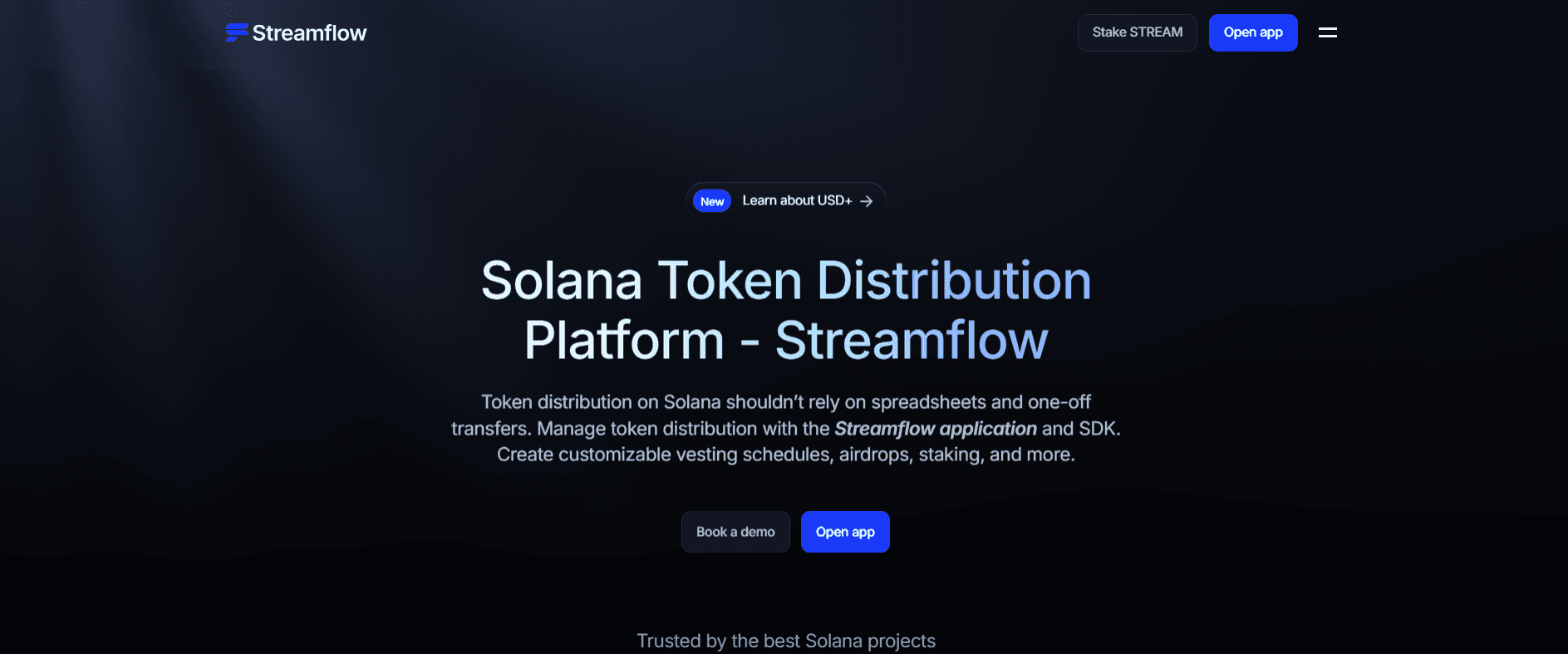
Streamflow is the strongest DAO payroll option on Solana because it treats payroll as one part of a complete token operations layer. Teams use it to run recurring payout contracts for employees, contractors, and contributors, then fund those contracts over time without redeploying anything.
The same platform also handles vesting, token locks, airdrops, staking, and distribution, so a DAO does not need to stitch five tools together.
Its payments engine supports real-time, programmable token transfers that go well beyond fixed-interval payroll. Salaries can stream continuously, contributor payouts can recur on a schedule, and batch payout functionality lets a CFO or operations lead mass-pay an entire contributor base in a single transaction.
Every payment settles on Solana with sub-second finality and near-zero fees.
Key capabilities for DAO payroll include:
Recurring payout contracts for payroll-style payments that keep running without redeployment.
Batch payouts that process mass contributor payments in one transaction.
Continuous, per-second streaming for salaries, consulting, and milestone-based releases.
A public tokenomics dashboard and proof links that make every payout verifiable on-chain.
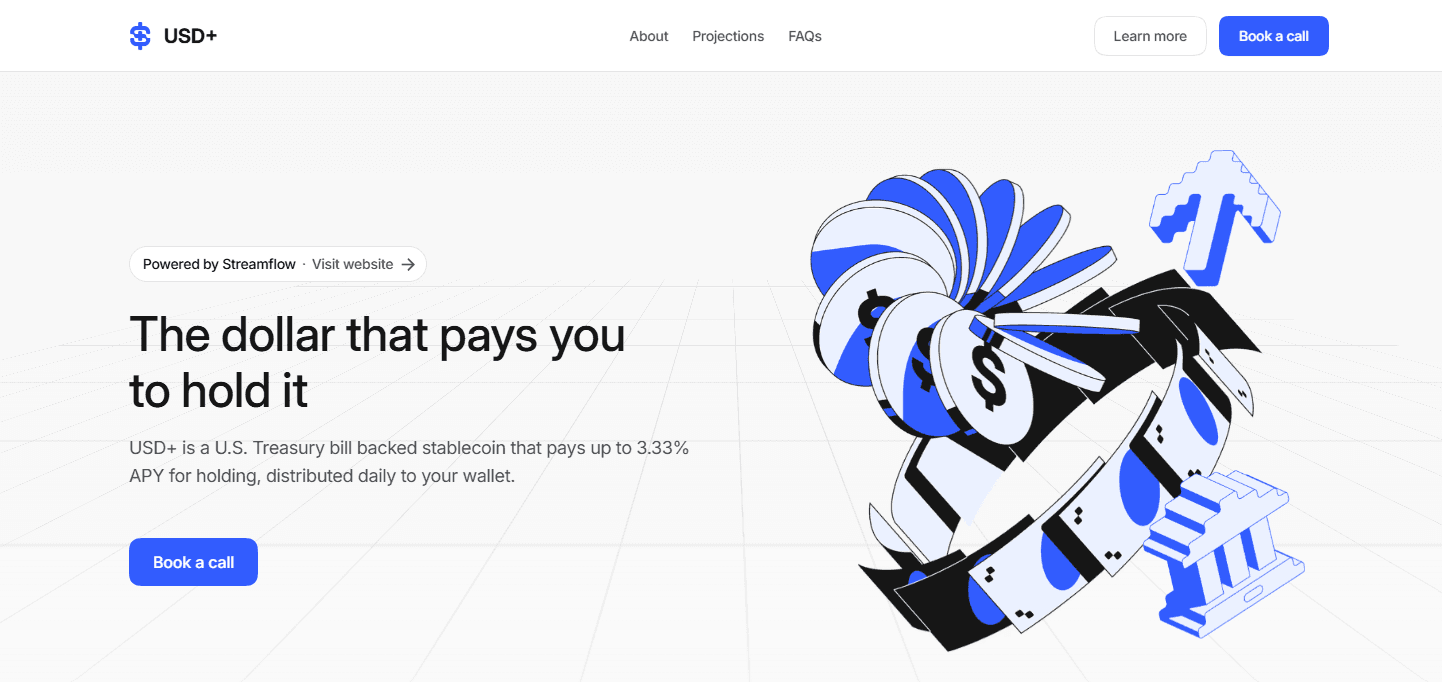
Treasury and financial operations through Streamflow Business and USD+, including payouts, cap tables, and tokenized SAFEs.
Pros:
Solana-native, with 65,000+ TPS, sub-second finality, and near-zero fees for high-volume payouts.
Full token lifecycle in one stack: payroll, vesting, locks, airdrops, staking, and distribution.
Recurring and batch payout contracts let CFOs pay contributors at scale without manual transfers.
Audited by FYEO and OPCODES, with every payout verifiable on Solscan and Solana Explorer.
Proven scale of $1.4B+ TVL, 1.3M+ users, and 40,000+ projects across the platform.
Cons:
Built specifically for Solana, so primarily-EVM teams would need a separate multi-chain setup.
Not an employer-of-record and does not issue tax forms, so fiat-payroll compliance needs a separate provider.
Smart contracts are immutable once deployed, so payroll logic must be configured correctly upfront.
For a Solana DAO that wants to pay people and run its entire token economy from one verifiable system, Streamflow is the most complete option in 2026.
Open the Streamflow app to set up recurring contributor payouts.
2. Squads
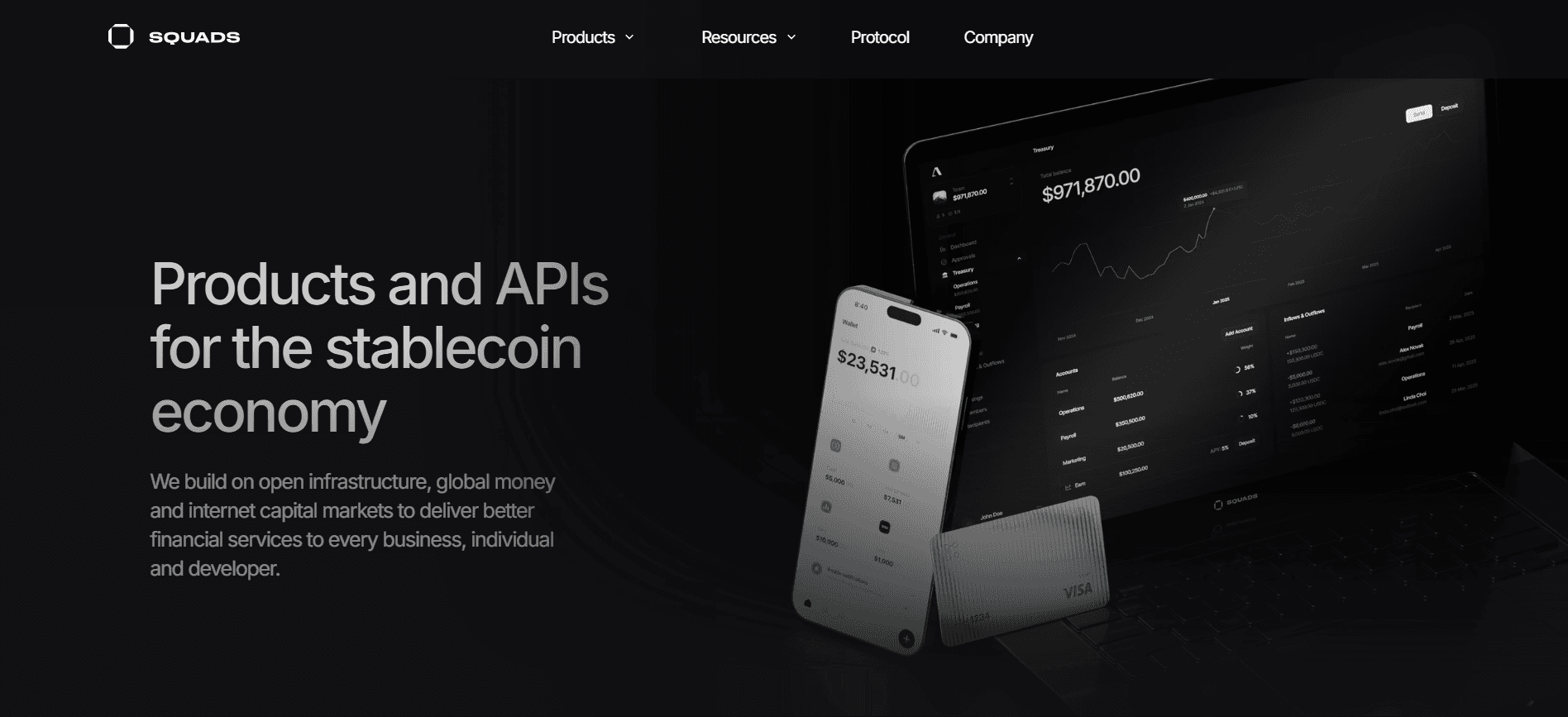
Squads is the leading multisig and smart-account infrastructure on Solana, securing over $10 billion in assets and more than $3 billion in stablecoin transfers.
For DAO payroll, its strength is treasury control: sub-accounts let teams split funds into buckets like Payroll, R&D, and Operations, each with its own permissions and spending limits.
Its Grid and Altitude products add programmable payment APIs and stablecoin business accounts that can pay global employees, vendors, and contractors, with off-ramps to traditional bank accounts.
Pros:
Institutional-grade multisig security, formally verified and audited by Neodyme, OtterSec, and Trail of Bits.
Sub-accounts and spending limits give granular control over payroll budgets and approvals.
Solana-native, with fiat off-ramps and global payment rails through Grid and Altitude.
Cons:
Payroll is built on multisig and spending-limit primitives, not native recurring or streaming payout contracts.
No token vesting, locks, or airdrop tooling, so DAO launches need separate tools.
Continuous streaming payroll requires external integration rather than a built-in feature.
More of a treasury and security platform than a purpose-built payroll system.
Several payment features sit in enterprise products that are sales-led.
Squads is the gold standard for securing a Solana treasury, and many DAOs rightly run their funds through it.
The distinction is scope: Squads is custody-and-approvals first and routes payments through add-on layers, while a DAO that wants payroll alongside vesting, locks, claims, and airdrops needs more than a multisig.
Streamflow covers that full token lifecycle natively, with purpose-built recurring payout contracts, so a team gets contributor payroll and distribution in one verifiable system instead of bolting payments onto a security tool.
3. Zebec
Zebec pioneered real-time streaming payroll and was originally built on Solana as a continuous settlement protocol. Its model deposits a lump sum into a vault and releases tokens per second to recipients, with the ability to pause, resume, or cancel instantly.
The protocol now processes over $500 million in annual payroll volume across 285 companies and has expanded into a full PayFi platform with cards, an enterprise SuperApp, ISO 20022 compliance, and a Nacha alliance membership.
Pros:
True per-second streaming payroll with instant pause, resume, and cancel controls.
Strong fiat off-ramp and enterprise compliance, including ISO 20022 and Nacha membership.
Real adoption, processing over $500 million in annual payroll volume.
Cons:
Focus has shifted from Solana to a multi-chain PayFi and consumer model across 18+ chains.
Premium features and staking depend on the ZBCN token economy.
No vesting, locks, or airdrop distribution tooling for DAO token launches.
Product sprawl across cards, a SuperApp, and DePIN dilutes the DAO payroll focus.
Geared toward enterprise and retail payroll more than on-chain DAO governance.
Zebec deserves credit for inventing real-time streaming payroll and building genuine enterprise volume around it.
The trade-off is direction: Zebec has broadened into a multi-chain consumer PayFi platform with cards and a token economy, while Solana DAOs usually need contributor payroll tightly coupled with vesting, locks, and transparent claims.
Streamflow keeps that entire token-operations stack Solana-native and verifiable, pairing recurring payout contracts with the distribution tooling that Zebec no longer centers on.
4. Request Finance
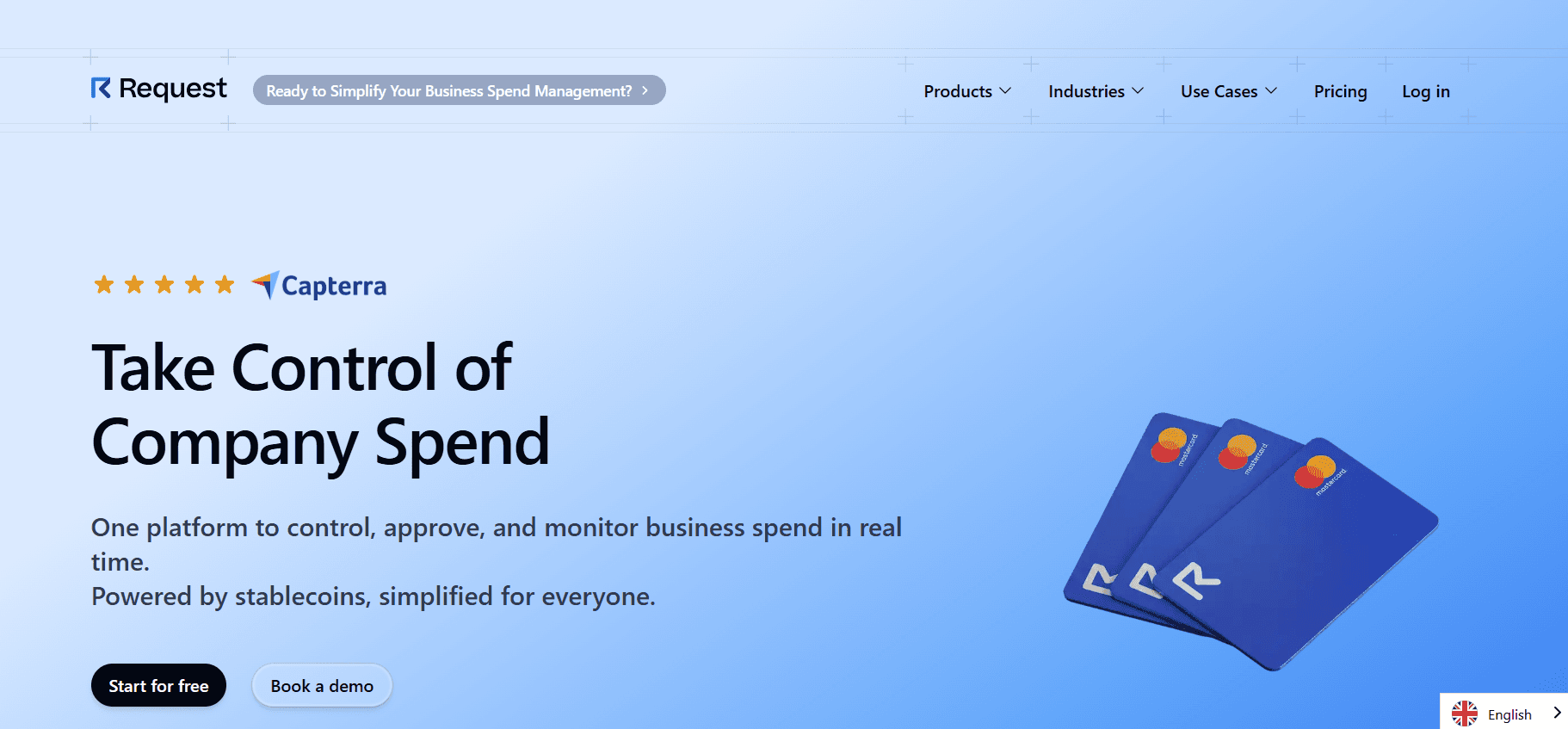
Request Finance is the dominant invoicing and bookkeeping platform for DAO and protocol payments, with a payroll module layered on top.
The workflow is clean: a contributor sends an invoice, the DAO approves and pays from a multisig, and Request handles the recordkeeping and accounting. It supports stablecoins across several chains, and it added Solana support in 2024, making it a popular choice for treasuries that prioritize clean financial records.
Pros:
Best-in-class invoicing, accounting, and recordkeeping for DAO contributor payments.
Multi-chain stablecoin support across Ethereum, Polygon, Optimism, Arbitrum, and Gnosis.
Mature and widely adopted across DAOs and protocols.
Cons:
EVM-first, with Solana added later rather than built in natively.
The workflow centers on invoice-approve-pay, not continuous streaming or per-second payroll.
Defaults to Safe multisig on EVM as its core integration.
No token vesting, locks, or airdrop distribution capabilities.
Settlement defaults to EVM chains for most workflows.
Request Finance is arguably the best invoicing and bookkeeping layer for DAO payments, and plenty of treasuries rely on it for exactly that.
Its constraint for Solana teams is architecture: it is EVM-first with Solana as a later add-on, and it processes invoice-based payouts rather than native streaming or batch token distribution.
For a Solana-native DAO that wants recurring or per-second payouts plus vesting and transparent claims on a single chain, Streamflow executes the whole flow on Solana with near-zero fees instead of routing it through EVM rails.
5. Superfluid
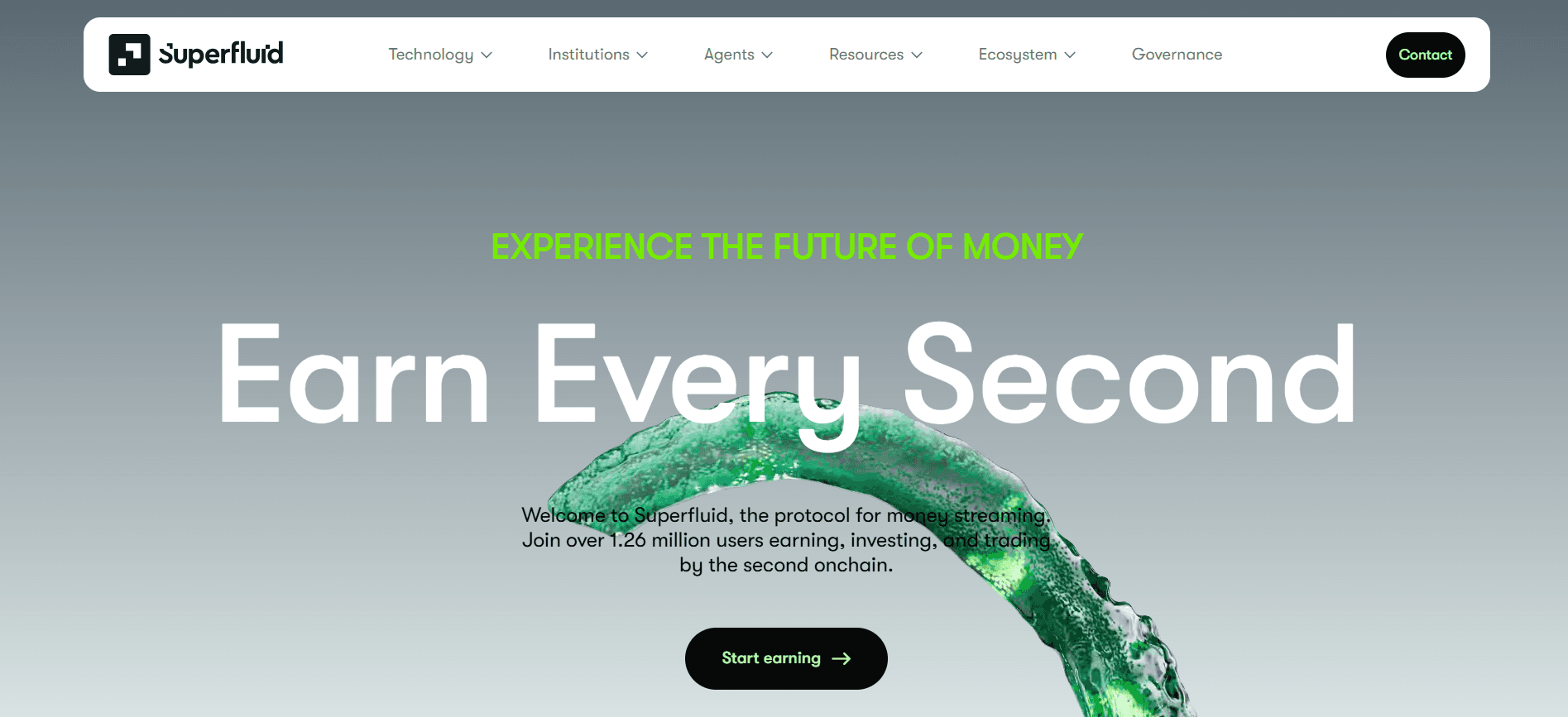
Superfluid pioneered the concept of real-time finance, using Constant Flow Agreements to stream tokens continuously and calculate balances directly inside smart contracts.
The model is elegant and gas-efficient over time, which is why DAOs have used it for years to pay contributor stipends and grant streams. It is a genuine reference point for what streaming compensation should feel like.
Pros:
Pioneered per-second money streaming with a clean continuous-flow model.
Gas-efficient for long-running recurring payments.
Battle-tested for DAO contributor stipends and grant streams.
Cons:
EVM-only, available on Optimism, Ethereum, and Base, not on Solana.
Modest protocol TVL of roughly $4.5 million, per DefiLlama figures cited by The Defiant.
A narrow streaming tool without vesting, locks, or airdrop capabilities.
No access to Solana's fee and finality advantages.
Requires an EVM treasury and bridging for Solana-based teams.
Superfluid invented an elegant approach to streaming compensation and remains influential in how DAOs think about real-time payroll.
The issue for this list is simple: it runs on EVM chains, so a Solana-native DAO would have to bridge funds and accept higher fees to use it.
Streamflow brings the same continuous, programmable payout model directly to Solana with sub-second finality and near-zero fees, and it adds the automated token vesting and distribution tools that Superfluid does not offer.
6. Sablier
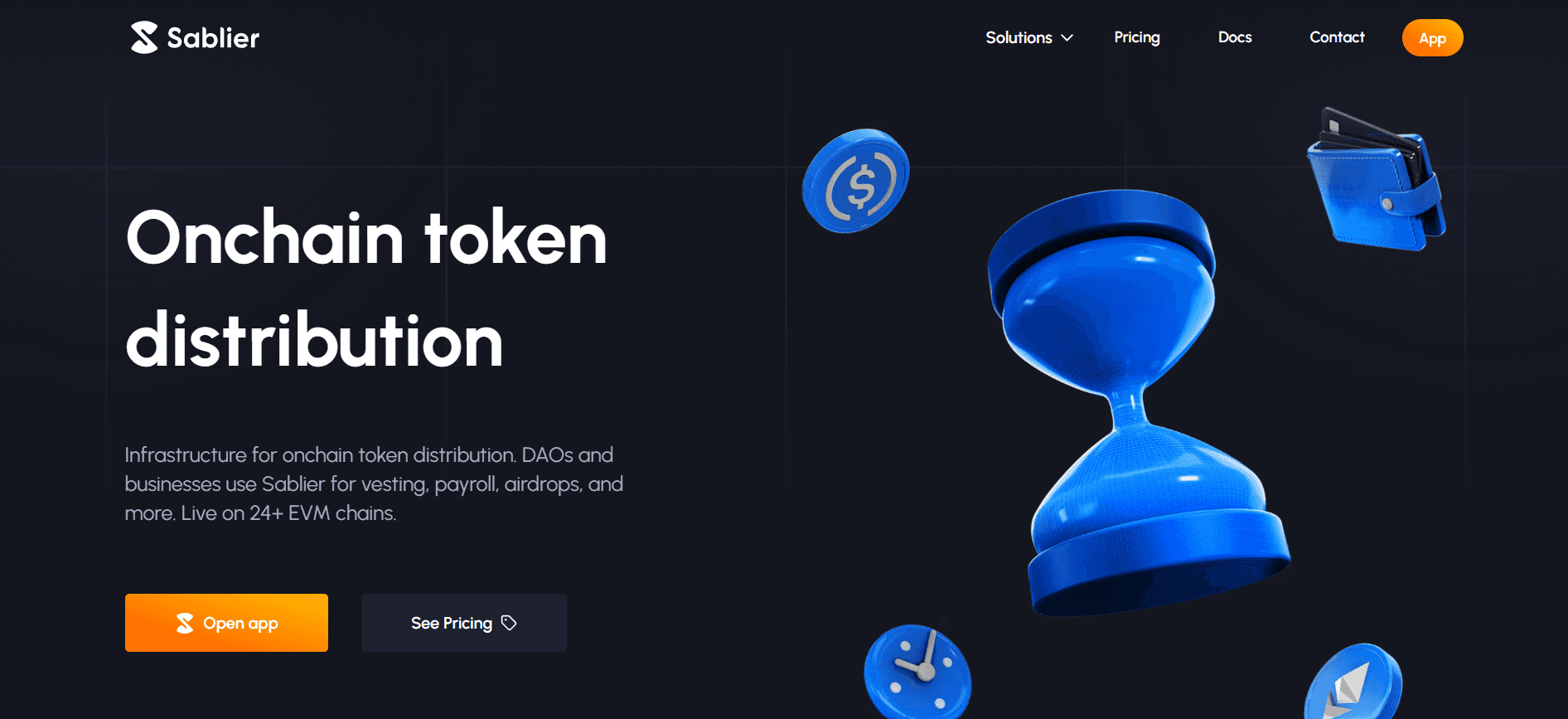
Sablier is the original token-streaming protocol, dating back to 2019, and it remains a reliable option for linear, time-locked streams. Its escrow model releases tokens evenly across a fixed duration, which makes it well suited to grant disbursements and vesting-style payouts. For DAOs that want predictable, simple streams, it is a proven choice.
Pros:
A pioneer of token streaming with a long operating track record.
Simple, predictable linear streams that are easy to reason about.
Well suited to grant and vesting-style payouts.
Cons:
EVM-focused and not natively available on Solana.
Small active protocol TVL of around $3.5 million, per DefiLlama figures cited by The Defiant.
The fixed-escrow model is less flexible for ongoing recurring payroll.
No batch payroll or airdrop tooling for Solana teams.
Solana DAOs would need to bridge funds to use it.
Sablier helped define token streaming and is dependable for linear grant or vesting streams. Its limitation here is the same EVM constraint, paired with a model that is narrower than a full payroll and distribution stack.
Streamflow delivers linear, cliff, and milestone-based releases plus recurring payroll directly on Solana, so a Solana DAO gets streaming, vesting, and contributor payouts without ever leaving the chain.
How to Choose the Right DAO Payroll Platform
Start with where your treasury actually lives. If your funds and contributors are on Solana, an EVM-first tool forces bridging, extra fees, and a fragmented record of who got paid.
A Solana-native platform keeps everything on one chain and one explorer.
Then weigh how much you need beyond payroll itself. Use this quick filter:
Need only secure custody and approvals? A multisig like Squads is a strong base layer.
Need continuous streaming with fiat off-ramps for enterprise teams? Zebec fits that lane.
Need clean invoicing and accounting across EVM chains? Request Finance excels there.
Need payroll plus vesting, locks, airdrops, and claims in one Solana-native system? Streamflow is the fit.
Most DAOs do not just pay contributors; they also vest team tokens, lock allocations, and run claims for their community. That is why a single, verifiable stack matters, and it is the reason Streamflow tops this list.
Case Study: How UXD Protocol Used Streamflow for DAO Distribution
UXD Protocol, a decentralized stablecoin provider on Solana, needed to combine token vesting and governance in a single interface for its $UXP governance token.
The team integrated the Streamflow SDK into Realms and set up a claim portal so stakeholders could participate in governance and claim tokens in the same place.
Approximately 46% of the $UXP supply was placed on a 4-year linear vesting schedule with a 12-month cliff, all enforced on-chain. The outcome was a transparent, automated distribution that aligned contributors and the community without manual transfers.
It is a concrete example of Streamflow handling DAO-scale distribution and stakeholder claims, the same engine that powers recurring contributor payroll.
Conclusion
DAO payroll on Solana is now table stakes, and the best platform is the one that pays contributors reliably while keeping the rest of the token economy verifiable on the same chain.
Streamflow leads the 2026 field because it pairs recurring and streaming payouts with vesting, locks, airdrops, and treasury tools, all Solana-native and audited by FYEO and OPCODES.
The competitors each do one slice well, but none match that combination of breadth, transparency, and on-chain proof.
Book a demo to see how Streamflow handles recurring DAO contributor payroll and token distribution on Solana.
Read Next:
FAQs:
1. What is the best DAO payroll platform for Solana teams in 2026?
The best DAO payroll platform for Solana teams in 2026 is Streamflow, because it combines recurring and streaming contributor payouts with vesting, locks, airdrops, and treasury tools in one Solana-native system. Every payout is enforced by audited smart contracts and verifiable on Solscan and Solana Explorer.
2. Can Streamflow handle recurring payroll for DAO contributors?
Yes. Streamflow supports recurring payout contracts that can be used for payroll-style payments to employees, contractors, and contributors. These contracts can be funded and left to run over time without redeploying new contracts, and batch payouts let a CFO mass-pay an entire contributor base in a single transaction.
3. How is Streamflow different from Squads for DAO payments?
Streamflow differs from Squads by being a full token operations platform rather than a multisig-first treasury tool. Squads is excellent for securing funds and approvals, while Streamflow adds purpose-built recurring and streaming payout contracts plus vesting, locks, and distribution, so payroll and the wider token economy live in one verifiable stack.
4. Does Streamflow support streaming or per-second payments?
Yes. Streamflow supports real-time, programmable token transfers, including continuous per-second streaming for salaries, consulting fees, and milestone-based releases. Because it runs on Solana, these streams settle with sub-second finality and near-zero fees.
5. Are Streamflow's payroll smart contracts audited?
Yes. Streamflow's smart contracts are audited by FYEO and OPCODES, and every contract is immutable once deployed. This means each payout is enforced on-chain and can be independently verified on Solscan or Solana Explorer using the contract address or a public proof link.